

Book an appointment
Verify your phone number below to get started.
Thank you! Your submission has been received!
Oops! Something went wrong while submitting the form.
Verify your phone number below to get started.
Done properly it's safe and genuinely useful — it makes leaks visible and helps a car sell. Done with a pressure washer on a hot engine, it's how electronics die.


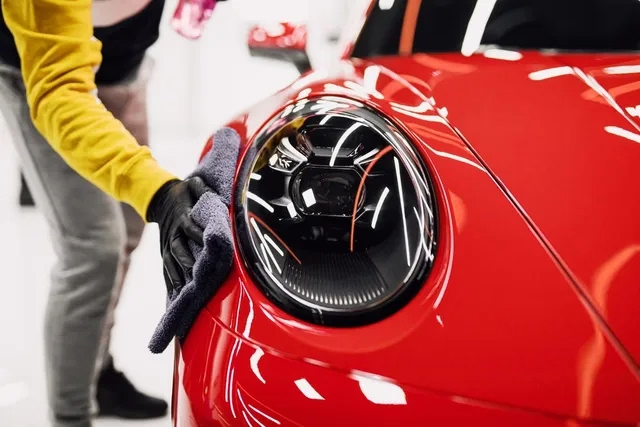

Cleaning an engine bay is safe when it is done cold, with covered electronics and low water pressure. It is not safe with a pressure washer on a hot engine, which is how most horror stories start.
Not warm — cold. Cold water on hot metal risks cracking, and hot surfaces flash-dry cleaner before it can work. Leave the car overnight if it has been driven.
Plastic bags over the alternator, air intake, fuse box, exposed electrical connectors and the battery. Modern engines are more water-tolerant than older ones, but the alternator and intake are still worth protecting properly.
A garden hose on a gentle setting, or a pump sprayer. A pressure washer forces water past seals and into connectors it was never meant to reach. This is the single most common way to turn a cleaning job into an electrical fault.
Spray a dedicated engine degreaser on cool surfaces, let it dwell a few minutes without drying, then agitate with detailing brushes. The brushes do the work, not the water pressure.
A light rinse, then compressed air or a leaf blower to push water out of crevices, then microfibre. Leaving water sitting in connectors is what causes problems days later.
A water-based dressing on plastic covers and hoses restores the finish without leaving them greasy. Avoid silicone-heavy products on anything near belts.
Once or twice a year is plenty for most cars. Before a sale, before an inspection, or when you are chasing a suspected leak are the times it genuinely earns its place. Beyond that it is cosmetic.
It is a manageable DIY job if you are comfortable identifying what to cover and disciplined about water pressure. If you are not certain which connectors are exposed on your engine, it is worth having done — the downside risk is an electrical fault that costs many times the price of the service.
We offer engine bay cleaning as an add-on to a full detail, done cold with covered electronics and low pressure. See what's included in a full detail or our pricing. Add it to any detail booked in Austin, Dallas or Houston.


